Archives de catégorie : Article Omar MAHASSINE

Petite pensée du vendredi n° 6

Eduquer son cœur

mains-eau-pure-coeur

Le prophète (PSDL) dit dans le hadith authentique : « Il est dans le corps un morceau de chair qui, s’il est sain, rend tout le corps sain, mais s’il est corrompu, tout le corps devient corrompu. Il s’agit du cœur »[1].

En tant que musulmans, aspirant à un meilleur être moral et spirituel ; nous avons besoin aujourd’hui d’éduquer nos cœurs, de vivre une spiritualité active et de purifier nos intentions afin de goûter la douceur de la foi. Nous avons besoin de retrouver la paix du cœur afin d’avoir un éclairage sur nous-mêmes et sur le monde.

Le cœur, pour le fidèle soucieux de sa complétude morale et de son accomplissement spirituel, est l’élément central de son cheminement spirituel. Il faut préparer la terre pour qu’elle reçoive la semence, réhabiliter son cœur  pour qu’il s’illumine à la rencontre du message afin de mieux porter la responsabilité du témoignage.

Eduquer son cœur et l’apaiser, réformer sa conduite et réaliser sa mutation éthique tel est le sens d’une spiritualité rayonnante. La foi exige du fidèle de purifier son intention, d’examiner sa sincérité et de déployer inlassablement les efforts  afin de mieux être, mieux agir et mieux servir.  Dieu est pur et n’accepte que ce qui est pur.

Parmi les sagesses d’Ibn ‘Atâ-Allah al-Iskandarî : « Comment un cœur pourrait-il s’illuminer, alors que son miroir est imprégné par les formes illusoires de ce monde ?  Ou comment pourrait-il entreprendre  son voyage vers Dieu, s’il est dominé par ses désirs et ses pulsions ? Ou comment désirerait-il ardemment dans la présence à Dieu s’être purifié de la souillure de son insouciance ? »

 [1] Rapporté par Boukhari et Moslim selon No’mâne Ibn Bachir.


Petite pensée du vendredi n° 5

« Prosterne-toi et rapproche-toi »[1]


invocation

La prière est le pivot central de la foi. Elle est le lien intime entre ton cœur et Celui qui t’a fait être. Le fidèle s’extirpe à l’emprise des préoccupations quotidiennes pour se mettre devant Dieu, aller à Sa rencontre et chercher Sa proximité. Le corps aussi bien que le cœur doivent participer, associés, à l’attitude globale de présence et d’humilité devant Dieu.

La prière est l’ascension de ton âme vers le Clément, le Compatissant. Entrer en prière c’est communiquer directement, et sans intermédiaire, avec L’Être suprême. C’est initier un dialogue serein entre ton cœur et Dieu, Lui exposer tes demandes et tes aspirations, Lui confier tes déchirements et tes négligences. Voici les termes de ce dialogue tels que le Prophète (PSDL) les rapporte dans un hadith qodsi : [Dieu dit : « Je partage la prière avec mon adorateur » ; quand il dit : « Gloire à Dieu, Maître des mondes ! », je réponds : « Mon adorateur Me glorifie ! », quand il dit : « Le Clément, Le Compatissant ! » Je dis : « Mon adorateur Me fait louange ! », quand il dit : « Roi du jour du jugement ! », je dis : « Mon adorateur M’exalte ! » ; quand il dit : « C’est Toi que nous adorons, c’est de Toi que nous attendons assistance ! », je dis : « C’est le lien entre Moi et Mon adorateur ! », quand il dit : « Guide-nous dans le droit chemin, le chemin qu’ont suivi ceux que Tu as comblé de Tes bienfaits, qui ne sont ni l’objet de Ton courroux ni des égarés ! », je dis : « Cette faveur sera accordée à Mon adorateur, son vœu sera exaucé ! » ].[2]

 Ne relâche pas la persévérance dans la prière   . C’est la voie pour accéder à l’amour Dieu. Le Prophète (PSDL) dit en attribuant ces paroles à Dieu : « (…) Mon adorateur, s’il persévère dans les actes surérogatoires, finira par mériter Mon amour. Quand Je l’aurai aimé, Je deviendrai son ouïe avec laquelle il entend, sa puissance de vision avec laquelle il perçoit le monde, sa main avec laquelle il agit et son pied avec lequel il marche. S’il M’invoque J’exaucerai son vœu, s’il se réfugie en Moi Je serai Son protecteur »[3]

Renouvelle ton intention et concentre-toi devant Sa Majesté. Prosterne-toi avec humilité et modestie devant Sa Grandeur. La prosternation face contre terre permet l’élévation de ton âme et l’éveil de ta conscience. Et c’est à ce moment là, que tu es le plus proche de Dieu, le Prophète (PSDL) disait : « Le moment ou l’adorateur le plus proche de Dieu  est celui ou il est en prosternation, multipliez donc les invocations »[4].

La prière, accomplie comme il se doit avec présence de cœur et d’esprit, donne la force qui permet à chacun de surmonter les difficultés et d’assumer ses responsabilités. Mais, La présence à Dieu dans la prière nous manque énormément. L’insouciance a su dominer nos cœurs et l’oubli nous aliéner. Que Dieu remplisse nos cœurs de Son amour, de Sa lumière et de Sa Miséricorde afin que nous puissions témoigner de notre foi et rayonner de ses valeurs de bonté, de générosité et de justice.


[1] Coran : S. 96, V. 19

[2] Hadith rapporté par Moslim, Ahmed, Tirmidi, Abou Daoud, An Nassaî et ibn Maja selon Abou Hourayra.

[3] Rapporté par Boukhari selon Abou Hourayra.

[4] Rapporté par Moslim, Ahmed et An-Nassaî selon Abou Hourayra.

Petite Pensée du vendredi n° 4

le temps

Le temps c’est la vie. Notre capital-temps est le bien le plus précieux que nous possédons. Être conscient de la valeur du temps et l’exploiter pour mieux être et mieux agir est une exigence de la foi.

Sénèque disait : « Notre temps nous est en partie dérobé, en partie subtilisé et ce qui reste se perd sans qu’on y prenne garde ».

Mieux gérer son temps c’est saisir le sens de son existence. Chaque instant qui passe nous rapproche davantage de notre rendez-vous  inéluctable avec Dieu. Le pire d’entre les perdants est celui ou celle qui aurait été insouciant vis-à-vis de son Devenir et qui aurait gaspillé sa vie dans des futilités.

Le Prophète (PSDL) a dit : « Il y a deux bienfaits que de nombreuses personnes n’apprécient guère à leur juste valeur et ne les utilisent pas à bon escient : la santé et le temps libre ».[1]

Le temps du musulman – conscient de ses responsabilités – doit être comme un budget qu’il dépense de manière intelligente. S’il se montre négligent et insensible à la perte du temps en le gaspillant à tort et à travers, il participe à sa propre perte par cette attitude irresponsable.

Chère sœur, cher frère, prenez le temps :

  • Prenez le temps de choisir vos amis, de fréquenter les meilleurs moralement et spirituellement, c’est le secret pour approfondir sa foi et l’intensifier. Le Prophète (PSDL) a dit : « Chacun a la même intensité de foi que son ami le plus intime. Choisissez donc vos amis avec soin »[2].
  • Prenez le temps d’évoquer Dieu, c’est le meilleur moyen pour apaiser son cœur. « N’est-ce point par l’évocation de Dieu que s’apaisent les cœurs ? »[3].
  • Prenez le temps de lire, c’est la clé du savoir. Prenez le temps de vous former, c’est la voie pour se réformer.
  • Prenez le temps de lire le Coran, le méditer et le goûter, c’est le festin spirituel auquel Dieu invite les êtres humains.
  • Prenez le temps d’agir, de persévérer et de déployer les efforts nécessaires, c’est  la voie de la réussite. Mais prenez surtout le temps de réfléchir, d’élaborer une stratégie d’actions avant d’agir.
  • Prenez le temps de donner et de partager. Parmi les témoignages de la sincérité de la foi, le don est le plus concret et le plus quotidien.
  • Prenez le temps d’aimer uniquement pour l’amour de Dieu, ainsi que d’être aimé, c’est une grâce de Dieu.
  • Prenez le temps de prier, c’est le moyen privilégié pour dialoguer avec Dieu, développer son intimité avec Lui et goûter la douceur de la foi.

[1] Rapporté par Boukhari selon Ibn Abbas.

[2] Rapporté par l’imam Ahmed, Tirmidhi, Al-Bayhaqi et Al-Hakem selon Abou Hourayra.

[3] Coran : S. 13, V. 28.

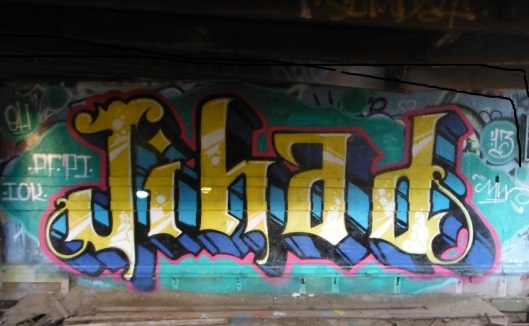
What does jihad mean ?

jihad

Since 9/11, it has become the rule to amalgamate Islam and terrorism. Islam is henceforth considered a viscerally violent and warfaring religion.

Break down the Prejudices

A collection of words ending in « ist » are used to qualify Islam today. Terrorist, fondamentalist, obscurantist, radicalist, jihadist… A war of words is waged upon the Islamic faith, classifying it as a pathology and modelling the consciences of the masses.

In this text I suggest re-considering the real meaning of the word « jihad » in Islam. All the more as the jihadist argument is becoming worryingly widespread and that terrorism and islamophobia go together in the present context.

A certain number of negative clichés and rumeurs exist concerning Islam and the Muslims.

These prejudices come from an ignorance of the islamic religion, of its thinking and its peaceful and tolerant vocation. However, in order to break down the prejudices and to avoid just keeping only an essentialist vision, we need to define the concepts of Islam on the one hand and the concepts of jihad on the other, and to reposition them in their historical and political contexts.

What does Jihad mean nowadays?

Is Jihad an islamic form of terrorism ? Is Jihad an avatar for Islam ? Is violence inherent to Islam ? Is the islamic faith a disturbing element towards peace on earth ? So many questions that need clear and audible responses.

Mohammed Arkoun draws our attention to the fact that the word « Islam » is often translated into French as « soumission » (literally « submission» in English). However, islam, etomologically, in it’s original arabic language, means « delivering something to someone ». It would therefore be more exact to translate the word islam as « delivering oneself to, trusting totally, in God.

The islamic religion implicitely engages one to give up oneself, to surrender to God, rather than to submit. (active rather than passive)

The Qu’ran forbids forcing people into religious matters.

The word islam has also the etymological root »salam » which means peace. Peace is central in the Qu’ran « O you who believe, enter into islam wholeheartedly ! » [2]. Being at peace and advocating peacefulness are sacred.

In parallel to this, one of the glorious names of God is « Peace », and five times a day Muslims call upon God with this attribute in their prayers. Being in peace comes from an intimate relationship between the human being and God, as well as a strong spirituality.

Having defined Islam, let’s now look at its link to violence and in particular to the idea of Jihad.

The word « jihad » is often translated by « Holy War » whereas the term « holy war » translated back into the arabic language is « Al Harb al-Mouqaddassa ». This term does not exist anywhere, in none of the fundamental islamic texts, nor in any Islamicliterature.

 The incorrect vision of an islamic jihad dates back to the medieval crusades.

The idea of a holy war engaging Muslims, in the name of their faith, in a war of conquest in order to oblige people to convert to Islam does not exist in Islam. The Qu’ran expressly forbids compelling anyone over religious matters « Let there be no compulsion in religion » [3].

It would be impossible to propogate the Islamic faith by force, even when it is ardent and sincere, as that would go against the very essence of the message.

The Jihad : to exert an effort over oneself

 The word Jihad stems from the root « ja-ha-da », which means to make an effort, and does absolutely not correspond to violence. This effort consists in carrying out a victory over oneself, against our own violence, our violent attitudes. This is the greatest of all victories. This jihad, called generally « jihad an-nafs » « effort on ones ego » is central to muslim spirituality. It is this effort that enables us to control our violence and anger, thus lifting us morally and spiritually.

Indeed, Jihad can take the form of an armed effort : Al Qitâl, but this effort has always been strictly regulated.

Armed combat is only authorised in order to protect oneself, or in cases of legitimate defence. For 13 years at Mecca the Muslims used non-violence as a means of resistance in spite of being persecuted and isolated with the social and economical embargo.

Then when they got to Medina, God gave them permission to defend themselves « Permission is given to fight, because they are wronged, and verily God is the most powerful for their aid. They are those who have been expelled from their homes for no cause except that they say       « Our Lord is God ! » [4].

From the time this qu’ranic verse was revealed war was indeed authorised, but only under three conditions :

  1. In the case of legitimate defence, when all other means to stop the agression have failed.
  2. In the case of persecution, of property being taken.
  3. In order to free people from dictatorship.

Not one drop of blood

Omar Ibn Al-Khattab, the second calife after the Prophet Mohammed (Peace and benedictions upon him) freed Jerusalem from the byzantine occupation without a single drop of blood being shed.

Salah Stétié explains in his book « Culture et Violence en Méditerranée » (Culture and Violence in the Mediterranean region) :

« Islam was only really established – first of all through the entry of Calife Omar into Jerusalem in 636, then a second time through the reconquest of the town in the crusades by Saladin in 1187- managed throughout several centuries the whole of the heritage pacifically(…) The Christians of Jerusalem, like those of Syria, and later those of Egypt welcomed the Arabs as liberators, as witnessed by all the Christian historians of that time »(5)

Another interesting example is that of the Emir Abdel Kader, a hero of the Algerian resistance, who fought bravely against the French colonisation. He set himself up in the Syrian capital, and from there, played an important role in the riots of 1860. In the name of the Islamic faith, he saved thousands of Christians from being massacred. His exemplary behaviour provided him with numerous declarations of thanks and decorations (6).

The notion of jihad is therefore one of effort : an effort on oneself, an effort to gain knowledge, an effort in development….and absolutely never an ideology, which in claiming to be islamic, betrays the very vocation of peace and justice, and prones terrorism and assassinations as means of waging war.

The Qu’ran declares : « if anyone slew a person – unless it be in retaliation for murder – or for spreading mischief in the land, it would be as if he slew the whole people » [7].

Terrorism has no religion.

The sacred text is one thing, the reading and the interpretations that men make of it is another. Sacred texts can be instrumentalised by extremists of all kinds.

 Is Islam inherently violent ? Does the Qu’ran incite violent behaviour ? Or is it that men will pretext anything, including in God’s, the Prophet’s or the Qu’ran’s name to justify and legitimise their own violence and their own fanatism ?

It is important to point out that terrorism has no religion. However, what is striking Today is that the means of communication used by the jihadists to give their doctrine a planetary echo, attracts and recruits young people.

The jihadists use internet, especially the social networks and diffuse videos preaching hatred.

The video games such as « Call of Duty » are also used to charm young candidates to jihad. It should also be noted that jihadlsm is attractive to individuals with broken ties with their family and society at large or who are psychologically distressed.

The violence of jihadism in opposition to the violence of rejection

For youth with no guidance, jihadism is a career.

In view of these phenomena, with such serious consequences for our society, we should commit ourselves to favorising dialogue and mutual enrichment, refusing amalgams and combatting all ideologies preaching violence, provoking and legitimising terrorist crimes.

We should also favorise education and citizen participation in order to eliminate the conditions which encourage the proliferation of violence and the extremist way of thinking.

 Omar MAHASSINE, Imam

[1] M. Arkoun, Ouvertures sur l’islam, Grancher, 1992, p. 35.

[2] Qu’ran 2/208

[3] Qu’ran 2/256.

[4] Qu’ran: 22 / 39 – 40.

[5] Salah Stétié, Culture et Violence en Méditerranée, 2008, Imprimerie nationale éditions, p. 128.

[6] « L’émir et les chrétiens », Conference of 7th December 2004 at Lyon with Mgr TEISSIER and M. BOUTALEB

[7] Qu’ran: 5 / 32

Petite pensée du vendredi n° 3

49

Le chemin de la foi est parsemé d’épreuves. Ces épreuves peuvent aider à fortifier et à approfondir la foi. Certes, nous traverserons tous des épreuves diverses et chaque jour qui passe amène son lot de joie et de peine. Parfois, on peut se trouver dans une épreuve rude sans voir le bout du tunnel.

Ali Ibn Abi Taleb (Que Dieu lui accorde Sa satisfaction) disait : « […] Que les épreuves ne t’affligent point, ni l’opulence ne te réjouisse. De même que l’or est épuré par le feu, le fidèle est façonné par l’épreuve ».

Quelle que soit l’épreuve, il est important de ne jamais désespérer et de garder confiance en le Clément, le Compatissant. De dialoguer avec Dieu, de reconnaître ses manquements et ses négligences, Lui confier ses faiblesses, Lui exprimer ses souffrances.  Dieu  est bon, Sa bonté est ineffable, Il prend soin de la moindre de Ses créatures, et écoute les supplications de qui l’invoque. « Si Mes adorateurs t’interrogent à Mon sujet, qu’ils sachent que Je suis tout près d’eux, toujours disposé à exaucer les vœux de celui ou celle qui M’invoque »[1].

Chère sœur, cher frère, ne faiblit pas devant l’épreuve, et ne te déclare pas vaincu dans l’adversité. Garde-toi du désespoir si, en dépit de tes intenses supplications, l’exaucement de tes demandes tarde à venir. Dieu t’a garantie une réponse favorable, au moment opportun et au moment où c’est le plus bénéfique pour toi.

A chaque moment de sa vie, le fidèle vertueux met sa foi et sa sincérité à l’épreuve. Être véridique sa quête de Dieu, entretenir relation intime avec Son Seigneur, la consolider et la renforcer est la voie pour être en paix, pour accéder à Son Amour et pour gouter la douceur de Sa proximité.

[1] Coran : S. 2, V. 186.

المروءة حلية النفوس الزكية وزينة الهمم العلية

4

لا يخفى على أحد أن الإسلام يدعو إلى التمسك بكل فضيلة ونبذ كل رذيلة. ومن أهم الخصال

الحميدة والخلال الجميلة التي جاء بها الإسلام : المروءة. فالمروءة جماع الأخلاق ومنتهاها

 ،ولحمة الفضائل وسُداها. وهي خلق الكرام ، وأروع ما تحلى به الرجال، وتزيّن به أهل

الحجا، فهي حلية الفضلاء، وشيمة النبلاء

يانفس توبي

2


يا نفس، يا حرون [1‌]، كفاك بعدا عن الله، اتركي المعاصي وتوبـي إلى ربك, دعي هواك

وأنيبـي إلى خالقك. لا تغترّي بصحة بدنِك وبسلامة أمْرِك، فالعمر قصير ودوام الصحة

مُستحيل. لو علمتِ ما بقي من أجلِك لقصّرتِ من أملِك، ولرغبتِ في الزيادة من عملِك.

فبادري بالتوبة النصوح واحذري التسويف. اعملي صالحا واستعدّي للقاء الدّيّان قبل

أن يلقاك غدا ندمُك، وقد باعَدكِ القريب، وقلاَكِ الحبيب، فلا أنت إلى دنياكِ عائدة، ولا في

حسناتكِ زائدة

يقول أمية أبو الصلت :


سكنتك يا دار الفناء مصدقـا              بأنـي إلى دار البقاء أسيـر

وأعظم ما في الأمر أنّي صـائر          إلى عادل في الحكم ليس يجور

فيا ليت شعري كيف ألقاه عندها          وزادي قليـل والذنوب كثير

فـإن أك مجزيـا بذنـبي فإنـني                بشرّ عقـاب المذنبين جدير

وإن يـك عفو منـه عني ورحمـة                  فـــــثـــم نعيـم دائـم وســرور

 يا نفس، يا آبـق، ارجعي إلى سيّدك، توبـي إلى الذي لا تنْـفـُعه طاعتك ولا تضُرُّه معصيتـك

إنما عملُكِ لكِ لا لَهُ ؛ إن وجدْتِ في صحيفتِكِ خيراً فبفضل منه ومِنّة، وإن وجدت غير ذلك

فمن لُؤْمِك وسَقَطِك. اتّعِظي بقول عبد الله بن مسعود رضي الله عنه :    « ما ندمت على

شيء، ندمي على يوم غربت شمسه ، نقص فيه أجلي، ولم يزد فيه عملي ». فالأيام صحائف

الأعمار، وكل يوم يمُرّ       يزيدُكِ من المنية اقْترابـًا، فاغْتنمي صحّتكِ وفراغكِ وخَلِّدي

أيّـــــامكِ بأحسن الأعمال


يا نفس، كم عادَيْتِ ثم اعتديتِ، كم همَمْت ثم اقْترفت. طوبى لكِ إن تداركَتْكِ رحمةٌ من الكريم

الوهاب، فندمْتِ واعترفتِ، ثم اهتديتِ وأصلحت. طوبى لكِ  إن مِتِّ  ماتت معك ذنوبَكِ. إياك

والسيئة الجارية التي يصل إليك إثمها في قبرك بعد موتك. طوبى لكِ إن لم     تتحمّلي ذنوب

غيرك. فجددي التوبة، واسألي الله، جل جلاله وعم نواله، الثبات وحسن الخاتمة 


 قدم لنفسك توبـة مرْجُـوّة               قبل الممات وقبل حبس الألسن

بادرْ بها غَلَقَ[2‌] النفوس فإنهـا                   ذخرٌ وغُنْمٌ للمنـيب المحسـن


يا نفس، لا تقنطي من رحمة الله وتُعظِّمي ذنوبك، لا تسْتَسْلِمي لليأس وتستمرّي في غلوائك.

فمهما تفاقمت الذنوب، وتكاثرت المعاصي، واستحكمت الغفلات، فعفْوُ الله أعظمُ ولا قنوط من

رحمة الله ولا بُعْد من الله. فالله عز وجل يبسط يده بالليل ليتوب مُسيءُ النهار، ويبسط يده

بالنهار ليتوب مسيء الليل، وذلك حتى تطلع الشمس من مغربها. ما دام في العمر بقية

فهناك إمكانية توبة، وفرصة استدراك، وعقْدُ عزم لطلب المعالي، والإحسان فيما بقي لكي

يتجاوز الله عما مضى


 قال أبو نواس :                                                                                                                           

يا ربّ إن عَظُمت ذنوبي كثرة          فلقد علمتُ بأنَّ عَفوكَ أعظمُ

إن كان لا يرجوك إلا مُحسنٌ          فمن الذي يرجو ويدعو المجرمُ

مالي إليك وسـيلةٌ إلاَّ الرجـا          وجمـيلُ عفوك ثم أني مسلـم


 ذ عمر محاسن


 فرسٌ حرون : لا ينقاد وإذا اشتدّ به الجري وقف.    [1‌

 [2‌] غَلَق الرهنُ غَلَقا : إذا لم يُقْدر على افتكاكه 

اكْسُ ألـفاظكَ أحسنـها

2

الكلمة مسؤولية , يحاسب عليها العبد ، ذلك أن كل كلام ابن آدم عليه لا له , إلا ذكر الله وما

والاه أو أمر بمعروف أو نهي عن منكر ؛ قال تعالى : (ما يلفظ من قول إلاّ لديه رقيب عتيد)

ق) رقيب يراقب أقواله في الخير وفي الشّر . لذلك كان لزاما على المؤمن أن يكون عفيف

اللسان ، يكسي ألفاظه أحسنها ، ويختار أَدلَّها على المقصود , بألطف عبارة ؛ ويربأ بنفسه

عن الفظاظة والغلظة ووضيع الكلام . فما كان مربي البشرية وهاديها إلى الصراط المستقيم

صلى الله عليه وسلم فاحشاً ولا متفحشاً ولا بالبذئ 

« عند نفسك من الغفلة ما يكفيها »

1

سأل سائل الإمام ابن الجوزي رحمه الله قائلا :  » أيجوز أن أفسح لنفسي في مباح

الملاهي »، فأجابه : « عند نفسك من الغفلة ما يكفيها ».[1


خطبة السيدة عائشة رضي الله عنها في الانتصار لأبيها


a9w10806

اَلْمَرَاجِع : صِفَةُ اَلصَّفْوَة للإمام ابن الجوزي و الرياض النظرة للطبري ونهاية

الأرب في فنون الأدب للنويري


 عن هشام بن عروة قال : بلغ عائشة رضي الله عنها أن أقواما يتناولون من أبي

بكر رضي الله عنه فأرسلت إلى أزفلة (نخبة) منهم. فلما حضروا سدلت أستارها

وعلت وسادها ثم دنت فحمدت الله تعالى وصلّت على نبيه محمد صلى الله عليه

وسلم وعذلت وقرعت (لامت وعاتبت). ثم قالت 


 أبي وما أبيَهْ ، أبي والله لا تعطوه الأيدي (تناوله) ، ذاك طوْدٌ مُنيف (الجبل

المشرف)، وفرع مديد ؛هيهات كذبت الظنون، أنجح إذ أكديتم (خبتم ويُئِس من

خيركم ومنعتم العطاء)، وسبق إذ ونيتم (فترتم وتكاسلتم) ؛ سبْق الجواد إذا استولى

على الأمد (الغاية والهدف) ، فتى قُريشٍ ناشئاً ، وكهفها كهلاً ، يفكُّ عانِيَها ،

ويَريشُ مُمْلِقَها (يُعطي ويُفضل الفقير) ، ويَرْأَبُ شَعْبَها (يجمع المتفرق) ، ويلمُّ

شعثها ، حتى حَلِيَتْهُ قلوبها ، ثم استشرى في دين الله (جَدَّ) ، فما برحت شَكيمتُه

(الأنفة والحمية) في ذات الله عز وجل حتى اتخذ بفِنائه مسجدا يُحيي فيه ما أمات

المبطلون ، وكان رحمه الله غزير الدمعة ، وَقِيذ الجوانح (رقيقا ذو عاطفة جيّاشة)

، شجيَّ النَّشيج (الحزين ، صوت البكاء) ، فانقضت إليه نُسْوانُ مكة ووِلدانها

يسخرون منه ويستهزؤون به  » الله يستهزئ بهم ويمدهم في طغيانهم يعمهون  »

،فأكبَرَتْ ذلك رجالات قريش (جمع الجمع للإستكثار) ، فحَنَتْ له قِسِيَّها ، وفوَّقت له

سهامها (صوبت) ، وانتثلوه غرضا (نصبوه هدفا لسهام ملامهم وأقوالهم) فما فلّوا

له صفاةً (الصخرة الملساء) ، ولا قصفوا له قناةً (كسروا) ، ومرَّ على سيسائه

شدة أمره، السِّيساء : عظم الظهر) حتى إذا ضرب الدِّينُ بجِرانِه (الصّدر) ، وألقى بَرْكه ، ورستْ أوتاده ، ودخل الناس في دين الله أفواجاً ، ومن كل فرقة أرسالاً

وأشتاتاً ، اختار الله لنبيِّه ما عنده ، فلما قُبِض صلى الله عليه وسلم نصب الشيطان

رِواقَه (الخيمة) ، ومدَّ طُنُبَه (حبل الخيمة)، ونصب حبائله ، وأجلب بخيله ورجله،

واضطرب حبلُ الإسلام ، ومرِجَ عهده ، وماج أهله (اختلفوا وتنازعوا)، وبُغيَ

الغوائلُ (البلايا والفتن) ، وظنَّت رجال أن قد أكثَب نَهْزُها (انتهاز الفرصة

واختلاسها) ، ولات حين الذي يَرجون ، وأنّى والصِّديق بين أظهرهم ؟ فقام حاسرا

مُشمِّراً ، فجمع حاشيتَيْه ، ورفع قُطْرَيه (تحزَّم للأمر وتأهَّب له) ، فردَّ رَسَنَ الإسلام

على غرْبِه (أعاده إلى ما كان عليه في حياة رسول الله صلى الله عليه وسلم) ، ولَمَّ

شَعَثَه بطبِّه (الدواء) ، وأقام أَوَدَهُ (العِوَج) بثِقافه (تقويم الرماح) ، فاندفر النفاق

بوطئه (تفرق) ، وانتاش الدين (أي أزال عنه ما يُخاف عليه) فنعشه (رفعه) ، فلما

أراح الحقَّ على أهله (أعاد الزكاة التي منعتها العرب فقاتل عليها حتى رُدَّت) ،

وقرّر الرؤوس على كواهلها (وقى المسلمين القتْل) ، وحقن الدماء في أُهُبها

(أجسادها ، الأهب : الجلد) ، أتته منيَّتُه ، فسدَّ ثُلمتَه  (الكسر) بنظيره في الرحمة ،

وشقيقه في السيرة والمَعدلَة (الاستقامة ومجافة الظَُلم) ، ذاك ابنُ الخطَّاب ، لله دَرُّ

أم حَفَلت له (جمعت له اللبن) ، ودرَّت عليه ، لقد أوحدت به (جاءت به منفردا لا

نظير له)ففَنَّخ الكفرة (أذلها) ودَيَّخها (صغَّر بها) وشرَّد الشرك شذرَ مذرَ (تفريقاً ،

يقال : شذر مذر، وشغر بغر، بمعنى واحد) ، وبعج الأرض وبخعها (شقها  

واستقصى غلَّتها) ، فقاءت أُكلها (أخرجت خيرها) ، ولفظت خبيئها ، ترأَمه(تُغريه 

ويصدف عنها ، وتصدَّى له ويأباها ، ثم وزَّع فيها فيئها ، وودعها كما صحبها ،

فأروني ماذا تريبون ؟ وأيَّ يومي أبي تنقمون ؟ أيوم إقامته إذْ عدل فيكم ، أم ظعْنه

فقد نظر لكم ؟ أقول قولي هذا وأستغفر الله لي ولكم


ثم أقبلت على الناس بوجهها فقالت : أنشدكم الله ، هل أنكرتم مما قلت شيئا ؟ قالوا :

اللهم لا